You think you do not have the motivation to train. You are wrong. What you have is a set of competing priorities, and the task is not to wait for motivation to arrive but to decide where training fits in your life and make it non negotiable.
The people who stay consistent do not wait for enthusiasm. They put a time in the calendar, treat it like an appointment, and protect it. That is what creates reliable progress for fat loss, muscle gain and better energy during the week.
The motivation myth We hear the same line all the time: I just cannot find the motivation. It gets repeated on socials and in the café, and it sounds reasonable because feelings are real. But the story we tell ourselves about motivation is flawed.
Social media sells the idea that motivated people wake up ready, never miss a session and always hit a PR. Real life is messier. The people who train consistently do not live by spikes of enthusiasm. They have systems, habits and commitments that hold them to the work whether they feel like it or not.
What people actually mean when they say I have no motivation When someone tells me they have no motivation, what they usually mean is one of three things:
- Training is not high enough on their priority list right now. Family, work, errands and sleep take up the available capacity.
- They have no structure or easy way to fit training into a busy week, so it becomes optional.
- They doubt that small efforts will make a difference, so they wait for the perfect window to start.
All of these are priorities problems, not motivation problems. You change them by making decisions and building simple supports, not by hoping for a burst of inspiration.
Why prioritising training is smart, not selfish If you are a parent or a busy professional you might feel guilty for spending time on your own training. That guilt is understandable, but it also misses the point.
Practical benefits of prioritising training
- More energy to play with the kids after work.
- Better mood and lower stress so you are easier to be around.
- Improved sleep and productivity at work.
- Strength and resilience to handle daily life without feeling wrecked.
Putting your health higher up the list is not taking resources away from your family. It is an investment so you have more capacity to show up for them.
How to stop waiting and start deciding Deciding is not dramatic. It is practical and repeatable. Here are coachable steps that work for busy people.
- Treat sessions like appointments
- Put training in your calendar at a realistic time. Block it as you would a doctor appointment or meeting.
- Keep it short if you must. A 30 minute session that happens weekly is better than a perfect 90 minute session you never do.
- Make a pre commit
- Tell someone about the session. Accountability increases follow through.
- Book a session with a coach or a friend. If someone else expects you, you are more likely to show up.
- Set an entry requirement so you cannot bail
- Decide you will at least get to the gym and change into training gear. Once you are there many sessions happen.
- Aim for showing up, not perfection. Half-hearted sessions build the habit.
- Remove decision friction
- Pre plan your workout the night before or follow app-based programming. No decisions at the moment of action make starting easier.
Small habits that beat big motivation spikes Big goals are motivating, but small habits win. Pick two small, specific actions to repeat for four weeks.
Examples
- Three gym sessions per week, 30 minutes each, scheduled Monday, Wednesday, Friday.
- Step count target on workdays, with a 15 minute walk after dinner.
- Two strength workouts per week plus one family-active weekend session.
These habits are measurable, time-bound and simple to protect. Progress compounds when you consistently do sensible work.
How BPT builds structure that works when motivation is low At Baynes Performance Training we design coaching around life, not idealised schedules. That means:
- Private studio sessions with no crowds and no judgement at 3 Zinc Circuit, Cranbourne North VIC 3977.
- Programs that fit into busy weeks, not programs that require perfect motivation every day.
- Check ins that keep you accountable when you go quiet, and adjustments that make training sustainable.
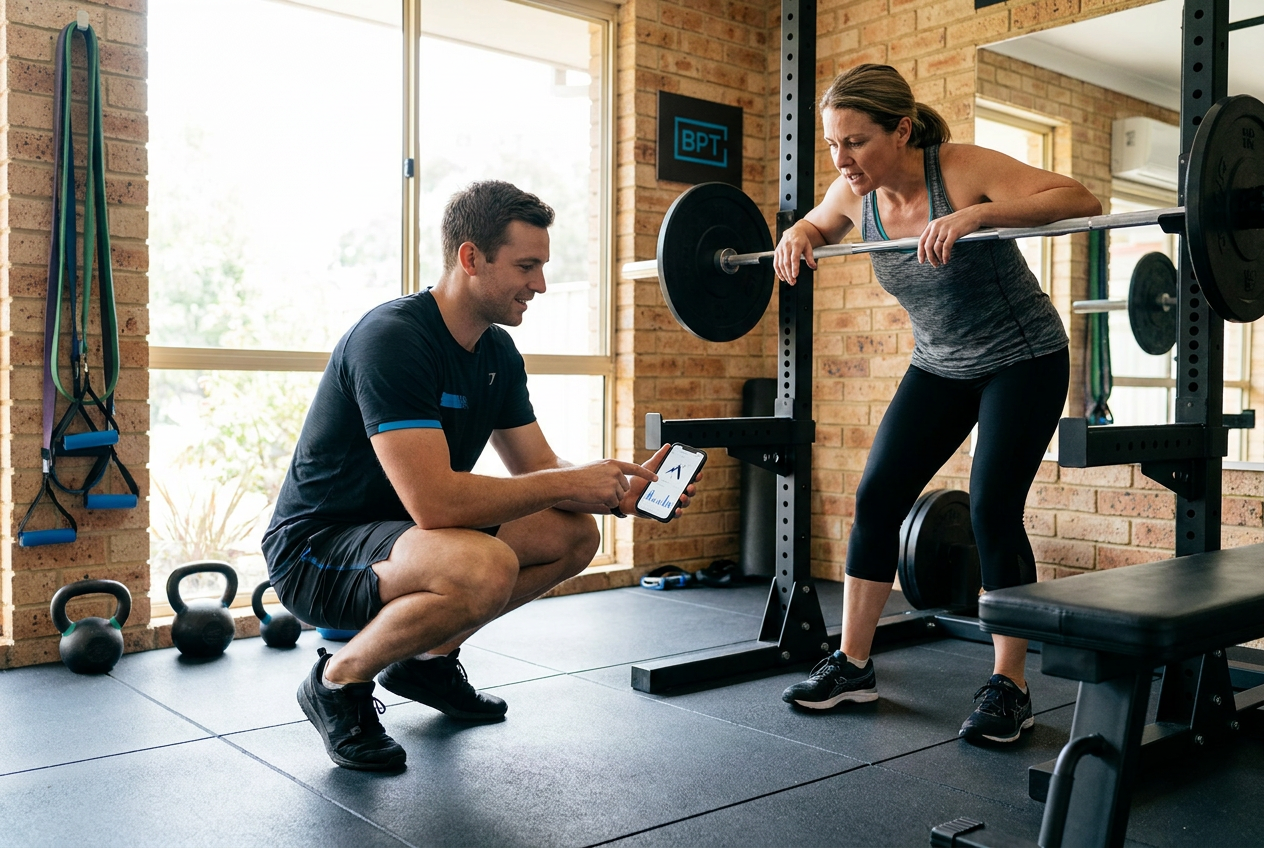
- Options to suit different levels of support from app-based online coaching to in-person personal training.
If you prefer an online-first approach, our Online Coaching provides custom programming, weekly check-ins and app access at $69 per week. If you want in-person sessions with Trent or one of our coaches, 1 on 1 Personal Training is $99 per week and includes online access. For groups, Small Group Training is priced from $50 to $140 per week depending on sessions. If you are a parent with a 12 to 15 year old son, our Baynes Boys Bootcamp is an 8-week online program with a Founding Boys intake.
Next steps: a simple action plan you can implement today
- Put one training session in your phone for the next three days. Treat it like a meeting.
- Tell one person you will do it and ask them to check in.
- Choose the simplest workout you can commit to and follow it. No extra planning.
- Reassess after two weeks and add another session if it felt manageable.
Ready to stop waiting and start deciding? Book a consultation and we will build a practical plan that fits your life. If you want to see other options first, view BPT coaching options or come in to our studio at 3 Zinc Circuit, Cranbourne North. No judgement. Just a plan that works with your real week.
Written By
Trent Baynes - BPT
Published by Baynes Performance Training with practical coaching insight focused on body transformation, nutrition, and sustainable performance.
FAQ
Is motivation useless? Do I need it at all?
Motivation helps sometimes, but you cannot rely on it. Use decisions and structure to get you moving. Motivation will follow from progress, not the other way around.
How do I fit training around kids and a busy job?
Treat sessions like appointments. Schedule them, choose realistic session lengths, and use accountability, such as telling a partner or a coach. Even two 30 minute sessions a week will build momentum.
What if I am tired or burnt out?
Decide on a minimum viable session. Show up and reduce intensity or volume rather than skipping. If fatigue is chronic, we look at sleep, nutrition, stress and adjust the plan.
How long before showing up becomes a habit?
Habit timelines vary, but consistent, small wins over 3 to 8 weeks create noticeable change. The important part is building a repeatable process you can sustain.
How does BPT help people who struggle with motivation?
We build programmes and check ins that fit real life. Sessions are scheduled, programming is realistic, and we follow up when you go quiet. You get accountability and an evidence based plan, not motivation speeches.
Next Step
Want tailored help instead of generic advice?
Baynes Performance Training offers private coaching, nutrition support, and structured transformation plans built around your actual schedule and goals.