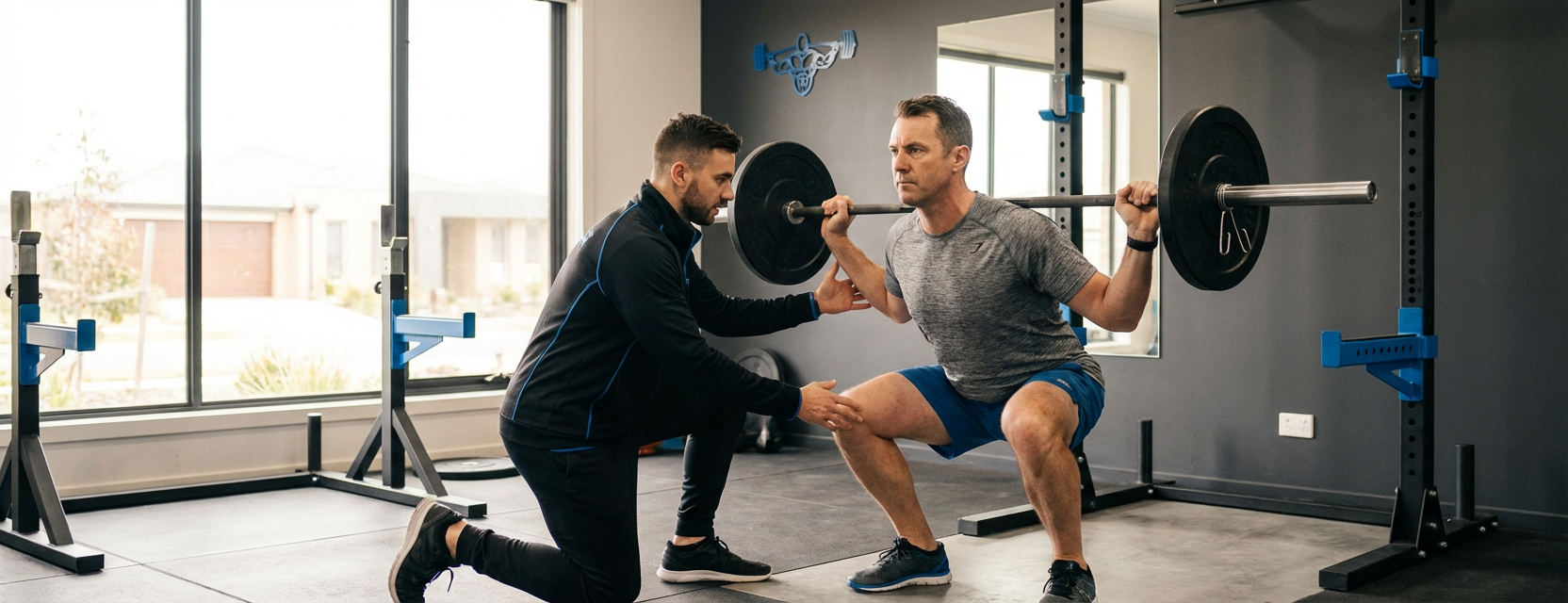
When you start lifting weights and tracking nutrition, two things happen fast: your nervous system learns how to move better, and your food starts to actually support the changes you want. Within days you feel steadier and more energetic. Within weeks you see strength gains and slow, reliable body composition changes. That is what happens when you start lifting weights and tracking nutrition, provided you give it structure and consistency.
Week 1 to 2: Immediate changes you will notice
- Neuromuscular adaptation. Your brain and muscles learn to coordinate. That means exercises feel easier, technique improves, and you lift heavier without your muscles yet looking dramatically bigger.
- Energy and mood. Increasing protein and stabilising meals reduces energy crashes. Many people sleep better and feel more focused within a week.
- Appetite and digestion. You may feel hungrier as your body adjusts, particularly on higher-protein or calorie-controlled plans. Tracking helps you meet protein without overeating.
- Water shifts. When you change carbs, salt, or start lifting, body water moves around. Expect small weight fluctuations early on. They are not fat gain or loss.
Weeks 3 to 6: Early wins you can build on
- Strength improvements. Much of your early progress is skill and nervous system efficiency. You will see meaningful increases in lifts and reps.
- Technique gains. Consistent practice reduces sloppy form and lowers injury risk.
- Subtle body composition changes. Clothes fit a little differently. You may lose centimetres even if the scales show small changes.
- Confidence. Regular wins in the gym translate to better daily movement and confidence in routines that stick.
These are the weeks where structure and accountability matter most. If you want coaching, our options cover online, personal and small group training , see View BPT coaching options.
Weeks 6 to 12: Visible changes become real
- Muscle growth timeline. Hypertrophy is gradual. For most people, visible muscle changes start to show around 6 to 12 weeks with consistent training and sufficient protein and calories.
- Noticeable fat loss. If you sustain a sensible calorie deficit and keep protein high, body fat becomes visibly lower. Fat loss speed depends on starting point, deficit size, and adherence.
- Shape changes. You will notice firmer legs, fuller shoulders, and a tighter mid-section. Clothes fit differently and photos show progress more clearly than the scale.
If you want a focused, accountability based intake to make these weeks count, join the 12 Week Transformation Project at our Cranbourne North studio. Founding intake pricing is $1,197 upfront or $110 per week for 12 weeks.
How strength and the nervous system translate to real life
Strength is not just about gym numbers. Nervous system improvements allow you to:
- Move more efficiently during chores, work and parenting.
- Carry kids, lift groceries and perform daily tasks without fatigue.
- Reduce injury risk by stabilising joints through stronger muscles.
Those transfers happen quickly. They also compound as you keep training.
Body composition mechanics: muscle gain versus fat loss
- Recomposition is possible. Especially for beginners, you can gain muscle and lose fat simultaneously if you train consistently and eat appropriately.
- Muscle is denser than fat. You might not see big changes on the scale even while your body looks leaner.
- Long term, muscle makes future fat loss easier because of increased capacity for heavier training and slightly higher resting energy use.
Metabolic and hormonal effects that matter
- Resting metabolic rate. Adding muscle has a small positive effect on resting metabolism. The bigger wins come from being able to do more work in the gym.
- Insulin sensitivity. Resistance training improves how your body handles glucose, which helps with energy levels and body composition.
- Testosterone and cortisol. Strength training supports healthy testosterone levels in most adults and helps regulate stress hormones. Recovery matters. Poor sleep, excessive stress and under-eating blunt these benefits.
Health wins beyond aesthetics
- Bone density. Lifting weights is one of the best ways to strengthen bones and reduce fracture risk later in life.
- Joint and tendon resilience. Properly loaded exercises strengthen connective tissue and improve joint stability.
- Posture and pain. Strengthening the posterior chain and core reduces common postural complaints and lower back pain.
- Sleep and mood. Regular training helps sleep quality and reduces anxiety and low mood in a concrete, repeatable way.
Common plateaus and what actually breaks them
Plateaus happen. The fixes are practical:
- Progressive overload. Add weight, reps, or better technique week to week.
- Adjust nutrition. If fat loss stalls, reduce calories slightly or increase activity. If strength stalls, check calories and protein.
- Recovery. Improve sleep, manage stress, and add deload weeks when needed.
- Track consistently. Measure training load, protein intake, and weekly body metrics. Small changes are easier to manage when you have accurate data.
Nutrition basics that actually matter
- Protein targets. Aim for about 1.6 to 2.2 grams per kilogram of bodyweight per day depending on your size and goals. That range supports muscle growth and retention.
- Energy balance. For fat loss use a moderate deficit, typically 10 to 25 percent below maintenance. For muscle gain aim for a small surplus with progressive training.
- Meal timing. It is less important than total intake, but spreading protein across the day helps muscle synthesis. Aim for 3 protein-containing meals where practical.
- Practical examples for busy adults in Melbourne:
- Breakfast: Greek yoghurt with rolled oats, berries and a scoop of protein.
- Lunch: Roast chicken salad with quinoa and avocado, plus a piece of fruit.
- Dinner: Pan-fried salmon, sweet potato and steamed greens.
- Snacks: Canned tuna and crackers, cottage cheese with tomato, or a protein shake after training.
- Planning tips. Batch cook on weekends, keep high-protein options in the fridge, and use simple recipes that fit your week.
If you are a parent wanting structure for a teen, consider our Baynes Boys Bootcamp 8-week online program with the Founding Boys offer.
Practical next steps
If you are ready to move from guessing to a plan that produces measurable results, choose a format that fits your life: online programming for independence, private sessions for hands-on coaching, or a structured in-studio program for full accountability. We run private, evidence-based coaching in a judgement-free studio at 3 Zinc Circuit, Cranbourne North.
Want a structured plan and accountability to actually get those changes? Join the 12 Week Transformation Project in our Cranbourne North studio. Founding intake pricing is $1,197 upfront or $110 per week for 12 weeks. If you want to talk first, Book a consultation.
Written By
Trent Baynes - BPT
Published by Baynes Performance Training with practical coaching insight focused on body transformation, nutrition, and sustainable performance.
FAQ
How long before I see visible changes?
Expect small changes in strength and posture within 2 to 6 weeks. Visible muscle development and noticeable fat loss usually take 8 to 12 weeks of consistent training and nutrition. Individual results depend on starting point, consistency and how precise your nutrition is.
Will I get bulky if I lift weights?
Not unless you specifically train and eat for that outcome. Most adults, especially beginners, will gain strength and improve muscle tone before gaining large amounts of muscle mass. If your goal is fat loss or lean muscle, programming and nutrition can be tailored to that.
Can I lose fat and gain muscle at the same time?
Yes, particularly for beginners, people returning after a break, or those with higher body fat. It requires sufficient protein, a sensible calorie deficit or slight maintenance, and progressive resistance training.
How much protein should I eat?
A practical target is 1.6 to 2.2 grams of protein per kilogram of bodyweight per day. That range supports muscle repair and growth for most adults when combined with resistance training.
How often should I train?
Aim for 3 to 4 resistance sessions per week for steady progress. Frequency can vary by experience, recovery and schedule, but regular, progressive sessions beat sporadic heavy training.
How do I avoid injury when starting?
Focus on movement quality, gradual progression, coaching feedback and adequate recovery. A private studio setting and trainer-led sessions help identify and correct technique issues early.
Next Step
Want tailored help instead of generic advice?
Baynes Performance Training offers private coaching, nutrition support, and structured transformation plans built around your actual schedule and goals.